How Many Solar Panels for Homes Do You Really Need? (2026 Guide)
If you’re researching solar panels for homes, the first question that almost always comes up is: how many panels does my home actually need? The honest answer is that it depends, but with a few straightforward inputs from your electricity bill and your location, you can arrive at a reliable number without needing an engineering degree. Two houses on the same street with identical square footage can have completely different energy needs based on occupancy, appliance usage, EV charging habits, and insulation quality, which is exactly why there is no universal answer.
Why There’s No One-Size-Fits-All Answer
Sizing your solar system is based on your actual electricity usage, not your square footage. The Energy Information Administration estimates the average American uses 10,791 kWh of electricity each year, or 900 kWh each month. Your usage may be substantially higher or lower depending on your lifestyle and where you live. Larger homes with higher energy usage, perhaps with multiple air conditioners, electric water heaters, or a home office, require a larger solar system, while smaller homes with fewer people and less energy usage require a smaller solar system.
This is why your actual electricity usage, represented by your current electric bill, is always the first piece of information used in any solar calculation, not your square footage, your neighbor’s solar panel installation, or some online calculator.
The Simple Formula to Calculate Your Panel Count
Sizing a solar system comes down to three core variables:
- Annual electricity usage (kWh) — pulled directly from your utility bills
- Panel wattage — modern residential panels typically range from 350W to 450W
- Production ratio — a figure that accounts for your region’s available sunlight, typically ranging from 1.1 in cloudy northern states to 1.6 in sun-rich states like Arizona, Texas, and California
The formula:
Number of panels = Annual kWh usage ÷ Production ratio ÷ Panel wattage
Example: A home using 10,800 kWh per year, with a production ratio of 1.4, installing 400W panels: 10,800 ÷ 1.4 ÷ 400 = ~19 panels
Most residential systems in the U.S. fall between 15 and 25 panels to cover 100% of a home’s electricity usage.
Key Factors That Influence the Final Panel Count
Roof size and orientation — South-facing roofs with minimal shading consistently produce the most energy. East- and west-facing roofs still perform well but may require a slightly larger system to achieve the same output.
Panel wattage and efficiency — Choosing higher-wattage panels means fewer units needed to reach the same system size — a practical advantage when roof space is limited.
Future energy needs — If you plan to add an EV, a pool pump, or a heat pump in the coming years, sizing your system slightly larger upfront is far more cost-effective than retrofitting later. Solar installers commonly recommend adding 10–20% additional capacity above current usage.
Net metering and utility policies — Most U.S. utilities allow solar installations to cover up to 120% of annual household usage. Net metering policies vary by state and provider and can materially affect your payback period and long-term ROI.
Should You Pair Your System With a Hybrid Solar Kit?
Once you’ve calculated how many panels you need, the next decision is what kind of system to build around them. A standard grid-tied setup is the simplest and most affordable option, but it leaves you without power during a grid outage.
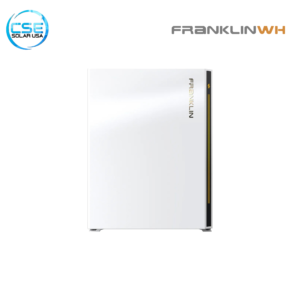
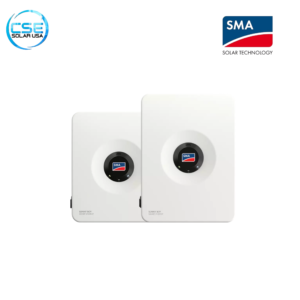
A hybrid solar kit solves this by combining solar panels with battery storage and a hybrid inverter, allowing you to store excess daytime energy and draw from it at night or during an outage, without committing to a fully off-grid setup. Hybrid systems have become the preferred choice for homeowners who want meaningful energy independence without the premium cost of going completely off-grid.
Buying Solar Panels in Bulk: What Installers Need to Know
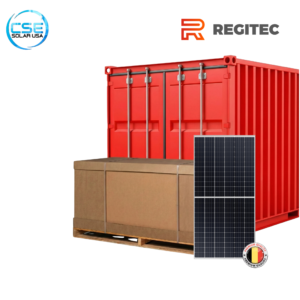
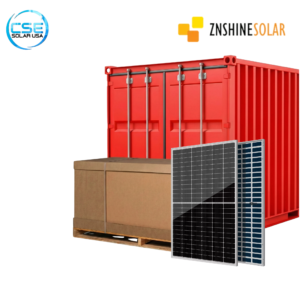
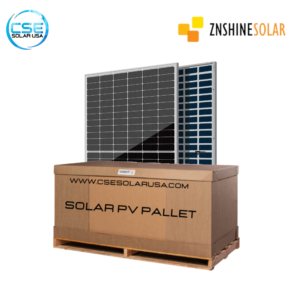
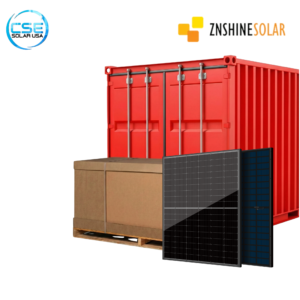
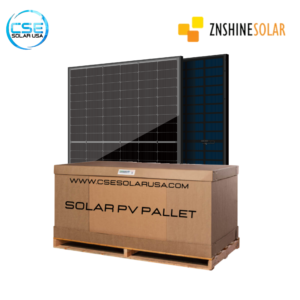
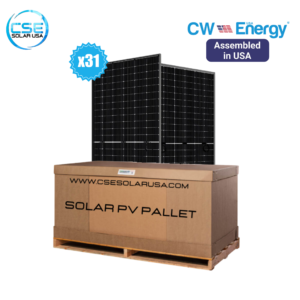
For solar contractors, installers, and property developers, purchasing solar panels by pallet is a practical way to reduce per-unit costs and streamline procurement. A standard pallet typically holds between 20 and 30 panels, depending on wattage and manufacturer, making pallet-level purchasing ideal when running multiple installations simultaneously or building inventory ahead of a busy project season.
Wholesale pallet pricing is significantly lower than retail per-panel rates and ensures consistent panel specifications, same model, same efficiency rating, same degradation profile across an entire project portfolio.
Where to Source Quality Solar Panels for Your Home or Project
The quality and reliability of the panels you choose determine how your system performs across its 25+ year lifespan. Tier 1 manufacturers offer the most consistent output, the slowest degradation rates, and the most reliable warranties.
CSE Solar USA supplies Tier 1 solar panels, complete hybrid solar kits, pallet and container orders, and full solar energy systems to homeowners, installers, and distributors across the United States.
Summary: How to Right-Size Your Solar System
Start with your actual annual kWh consumption, apply your region’s production ratio, and divide by your panel wattage. Factor in roof constraints, future energy needs, and whether battery backup belongs in your plan. When in doubt, size slightly larger — it is far easier to generate a modest surplus than to retrofit a system that falls short.
Ready to Find the Right Solar System for Your Home?
Stop guessing and start planning with confidence. Whether you’re a homeowner sizing your first system, a contractor ordering panels by the pallet, or a developer looking for a reliable wholesale solar supplier, CSE Solar USA has everything you need in one place.