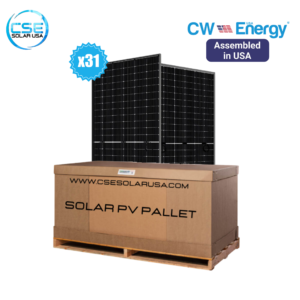
Solar Panel Kits for Home: What’s Included and What You’ll Still Need
Going solar has never been more accessible. Homeowners across the country are turning to solar panel kits for home use as a cost-effective and convenient way to start generating their own clean electricity. Whether you’re looking to offset your monthly utility bill or move toward full energy independence, understanding exactly what comes inside a solar kit and what you’ll need to source separately is the first step to a successful installation.
What Are Solar Panel Kits for Home?
Solar panel kits for the home are bundled packages that group the core components needed to build a residential solar energy system. Instead of sourcing every part individually, homeowners get a pre-matched set of equipment designed to work together efficiently. These kits come in various sizes, from small off-grid setups for cabins or RVs to full-scale grid-tied systems capable of powering an entire house.
The appeal is clear: simplified purchasing, matched components, and often a lower combined cost than buying parts separately. But before you order, it’s important to know what’s typically inside the box and what’s not.
What’s Typically Included in a Solar Panel Kit
1. Solar Panels
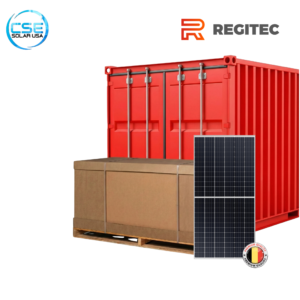
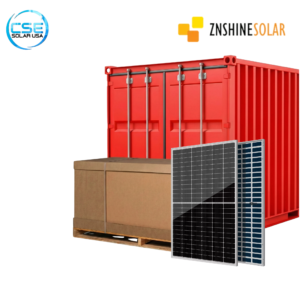
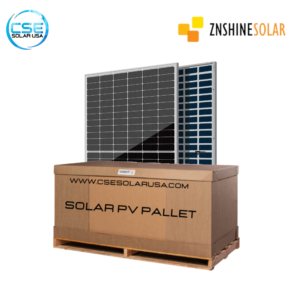
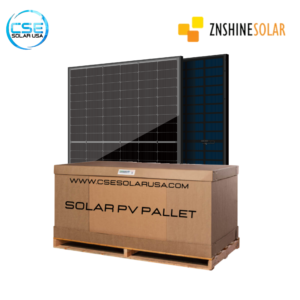
The most obvious component, solar panels, are the heart of any system. Most residential kits include monocrystalline panels, which offer the highest efficiency in limited roof space. Kit sizes typically range from 1,000W (1kW) to 10,000W (10kW) or more, with the number of panels varying based on individual wattage ratings.
2. Inverter
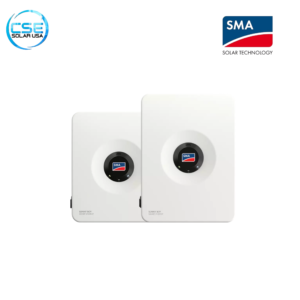
An inverter converts the direct current (DC) electricity produced by your panels into the alternating current (AC) electricity that your home appliances use. Kits generally include one of three inverter types:
- String inverter – One central unit for the whole system; cost-effective and common.
- Microinverters – Attached to each panel; better performance under shading.
- Hybrid inverter – Compatible with battery storage for future expansion.
3. Charge Controller (for Off-Grid Kits)
If you’re building an off-grid system, a charge controller is often included. It regulates the voltage and current flowing from the panels to your batteries, protecting them from overcharging and extending their lifespan.
4. Mounting Hardware
Most solar panel kits for the home include racking and mounting rails designed to attach your panels to a pitched roof, flat roof, or ground mount. This hardware is usually made from anodized aluminum for corrosion resistance and durability. However, some budget kits ship panels and inverters only, leaving mounting hardware as a separate purchase — so always check the product description carefully.
5. Wiring and Connectors
Kits typically include MC4 solar connectors, which are the industry-standard weatherproof connectors used to link panels together. Some kits also include solar-rated DC cables in pre-cut lengths. However, the exact amount of wiring provided can vary, and longer runs to your inverter or electrical panel may require additional cable.
6. System Monitoring Equipment
Many modern kits include a monitoring unit or app connectivity, allowing you to track real-time energy production, consumption, and system performance from your smartphone. This feature is especially valuable for catching issues early and maximizing your system’s output.
What You’ll Still Need to Source Separately
Even the most complete solar panel kit for home use won’t cover everything. Here’s what you’ll likely need to arrange on your own:
Battery Storage
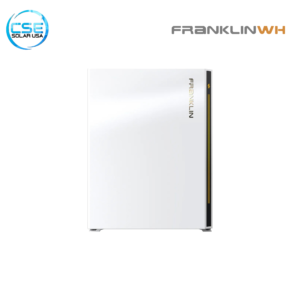
Unless you specifically purchase an off-grid or battery-ready kit, batteries are rarely included. If you want to store excess solar energy for nighttime use or backup power during outages, you’ll need to budget for a battery bank separately. Lithium iron phosphate (LiFePO4) batteries are the current gold standard for residential storage.
Electrical Wiring and Conduit
While kits provide the solar-side connectors, the AC wiring from your inverter to your main electrical panel is almost always a separate task. This includes conduit, breakers, and appropriate gauge wire, all of which must meet local electrical codes.
Permits and Inspections
Solar installations in most jurisdictions require building permits and electrical inspections. While your solar supplier can often provide documentation to support your application, permit fees and inspection costs are not part of any kit.
Professional Installation (If Required)
Some homeowners choose the DIY route, especially for off-grid and small systems. However, grid-tied systems typically require a licensed electrician to make the final connection to your home’s main panel and utility meter. Labor costs vary widely by region.
Utility Interconnection Agreement
For grid-tied systems, you’ll need to apply to your utility company for a net metering agreement or interconnection approval before your system can legally export power to the grid.
Choosing the Right Kit Size
Sizing is everything. A system too small will leave you relying heavily on the grid; one too large wastes your upfront investment. Start by reviewing your last 12 months of utility bills to calculate your average monthly kilowatt-hour (kWh) consumption. A general rule of thumb: every 1 kW of solar capacity generates roughly 100–130 kWh per month in most U.S. climates, depending on your location and roof orientation.
CSE Solar USA offers a range of solar panel kits for the home that are carefully matched for performance, quality, and scalability, making it easier for homeowners to find the right fit for their energy goals and budget.
Conclusion
Solar panel kits for the home are among the most practical ways to begin your solar journey. They remove much of the guesswork from component selection, help ensure compatibility between parts, and often provide significant savings over piecemeal purchasing. That said, a successful installation still requires careful planning for permitting, wiring, battery storage, and professional connections where required.
Understanding both what’s in the box and what lies beyond it puts you in the best position to invest wisely and enjoy clean, renewable energy for decades to come.
Frequently Asked Questions (FAQs)
Q1: Are solar panel kits for the home suitable for DIY installation?
Off-grid and small-scale solar panel kits are often DIY-friendly, particularly for cabins, sheds, or supplemental power setups. However, grid-tied systems that connect to your main electrical panel and utility meter generally require a licensed electrician for the final hookup to comply with local codes and utility requirements.
Q2: What size solar panel kit do I need for my home?
The right size depends on your average monthly electricity consumption. Review your utility bills for the past 12 months to find your average kWh usage, then factor in your roof space, local sunlight hours, and budget. As a starting point, a 5kW to 8kW system is common for an average U.S. household consuming around 900–1,100 kWh per month.
Q3: Do solar panel kits include batteries?
Most standard grid-tied solar panel kits do not include batteries. Battery storage is typically sold as a separate add-on or as part of a specifically labeled off-grid or hybrid kit. If backup power or full energy independence is a priority, look for kits that are compatible with battery expansion or come pre-bundled with storage options.
Q4: How long does it take to install a home solar panel kit?
A typical residential solar panel kit installation takes one to three days for the physical mounting and wiring. However, the full process, including permitting, utility interconnection approval, and final inspection, can take anywhere from a few weeks to a few months, depending on your location and local utility timelines.
Q5: Will a solar panel kit work during a power outage?
Standard grid-tied solar systems automatically shut down during a power outage as a safety requirement to protect utility workers. To keep power running during outages, you’ll need a battery backup system paired with a hybrid or off-grid inverter. Some systems also offer “backup gateway” functionality that can provide limited power from panels even when the grid is down.