What Are Solar Panels and Why More Homes Use Them Today
The question “what are solar panels” comes up more often than ever as homeowners look for smarter, cleaner, and more affordable ways to power their homes. Whether you’ve seen them on rooftops in your neighborhood or heard about skyrocketing electricity savings, solar panels have become one of the most talked-about home upgrades of the decade. This guide breaks down exactly what solar panels are, how they work, and why millions of American homeowners are making the switch right now.
What Are Solar Panels?
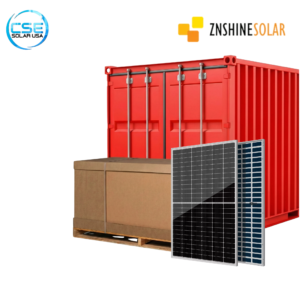
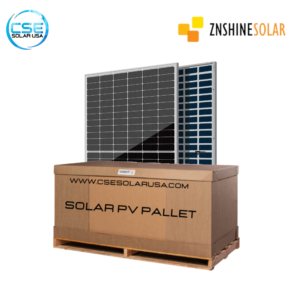
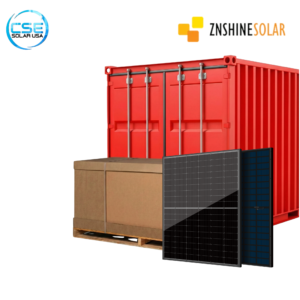
Solar panels are devices that convert sunlight directly into electricity using a process called the photovoltaic (PV) effect. Each panel is made up of many smaller units called solar cells, which are typically composed of silicon a semiconductor material that reacts to light. When sunlight strikes the surface of a solar cell, it knocks electrons loose, creating a flow of direct current (DC) electricity. That DC electricity is then passed through an inverter, which converts it into alternating current (AC) electricity the kind your home appliances use every day.
Modern solar panels are made in three primary types: monocrystalline, polycrystalline, and thin-film. Monocrystalline panels are the most efficient and widely used in residential settings, as they’re made from a single crystal structure that allows electrons to move more freely. Polycrystalline panels are slightly less efficient but often more affordable. Thin-film panels are lightweight and flexible, making them suitable for certain surfaces where traditional rigid panels won’t work.
How Does a Home Solar System Work?
A complete home solar system involves more than just the panels themselves. Here’s a simplified breakdown of the key components:
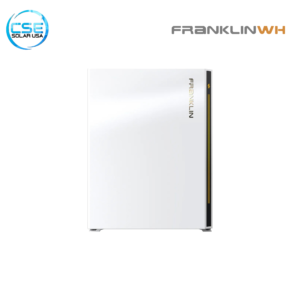
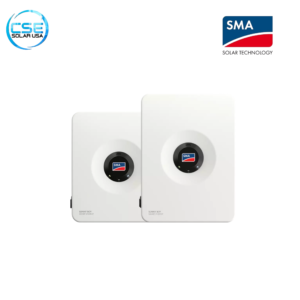
Solar Panels sit on your roof (or on the ground) and capture sunlight throughout the day. An Inverter converts the DC power from the panels into AC power your home can use. A Meter tracks how much electricity your system produces versus how much you pull from the grid. Battery Storage (optional but increasingly popular) stores excess energy so you can use it at night or during outages.
When your panels produce more electricity than your home needs often on sunny afternoons the excess is either sent back to the utility grid (earning you bill credits through net metering) or stored in a home battery system for later use.
Why Are More Homes Going Solar?
The rapid growth in residential solar adoption isn’t an accident. A powerful combination of financial incentives, technology improvements, and environmental awareness is driving homeowners toward solar at record rates.
Lower Electricity Bills — This is the number-one reason most families go solar. Once your system is installed, the sunlight that powers it is completely free. Depending on your location and system size, you can dramatically reduce or even eliminate your monthly electricity bill.
Federal Tax Credits — The federal Investment Tax Credit (ITC) currently allows homeowners to deduct a significant percentage of their solar installation costs from their federal taxes. This can translate to thousands of dollars in savings, making the upfront investment far more accessible.
Rising Utility Costs — Electricity rates across the U.S. have been rising steadily for years. Homeowners with solar systems are largely insulated from these increases because they generate much of their own power.
Increased Home Value — Research consistently shows that homes with solar panel systems sell faster and at higher prices than comparable homes without them. Solar is increasingly viewed as a premium home feature rather than an optional add-on.
Energy Independence — Paired with a home battery, solar panels can keep your lights on during grid outages — an increasingly valuable benefit given the growing frequency of extreme weather events and grid disruptions.
Environmental Impact — Solar power produces zero emissions during operation. Switching to solar significantly reduces a household’s carbon footprint, contributing to cleaner air and a healthier climate for future generations.
Are Solar Panels Right for Your Home?
Most homes are suitable for solar, but a few factors affect how productive your system will be. South-facing roofs with minimal shading tend to generate the most electricity. Your local climate matters too sunny states like California, Texas, Arizona, and Florida see the best results, though homeowners in northern states still benefit considerably.
Roof age and condition are worth evaluating before installation. If your roof needs replacement in the near future, it’s wise to do that before mounting solar panels. A professional energy assessment will help you understand your specific home’s solar potential and recommend the right system size.
Choosing Quality Solar Products Matters
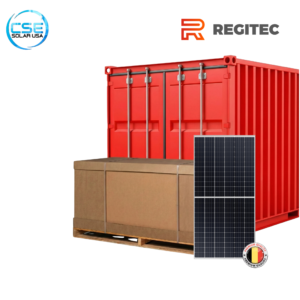
Not all solar panels are created equal. The efficiency, durability, and warranty terms of the panels you choose will determine how well your system performs over its 25-to-30-year lifespan. Working with a reputable supplier who carries high-quality, certified products is essential. CSE Solar USA offers a wide selection of top-brand panels, inverters, batteries, racking systems, and complete solar kits giving homeowners and installers everything they need in one place, with over 10 convenient pickup locations nationwide.
Conclusion
Understanding what solar panels are is the first step toward making an empowered decision about your home’s energy future. Solar technology has matured significantly over the past decade panels are more efficient, costs are lower than ever, and the financial incentives have never been stronger. Whether you’re driven by monthly savings, environmental responsibility, or energy independence, the case for going solar is compelling for the vast majority of American homeowners today.
Frequently Asked Questions About Solar Panels
Q1: What are solar panels made of?
Most residential solar panels are made primarily from silicon solar cells. These cells are sandwiched between protective layers of glass and durable back-sheet materials, then framed in aluminum. The silicon cells are the key ingredient that converts sunlight into electricity.
Q2: How long do solar panels last?
Most quality solar panels come with a 25-to-30-year performance warranty and can continue producing electricity well beyond that. Panels typically lose only a very small percentage of their output efficiency each year, meaning they remain productive for decades.
Q3: Do solar panels work on cloudy days?
Yes. Solar panels still generate electricity on cloudy or overcast days, though at reduced output compared to full sunshine. Diffuse light the indirect sunlight that passes through clouds still activates the photovoltaic cells. Homes in less sunny climates can still benefit significantly from solar systems.
Q4: Can solar panels power an entire home?
Depending on the size of your system and your household’s energy consumption, solar panels can power all or most of your home’s electricity needs. Adding a battery storage system allows you to use solar-generated power even at night or during outages, moving you closer to full energy independence.
Q5: What is net metering and how does it benefit homeowners?
Net metering is a billing arrangement where excess electricity your solar system sends back to the utility grid is credited against the power you draw from the grid at night or on low-production days. This effectively lets the grid act as a virtual battery, helping you maximize the financial value of every kilowatt-hour your panels produce.
Q6: How much do solar panels cost to install?
The total cost of a residential solar installation varies based on system size, panel type, roof complexity, and local labor rates. However, federal tax credits, state incentives, and utility rebates can reduce the net cost substantially. Many homeowners find that their system pays for itself within 6 to 10 years through energy savings alone.