What Is a Solar Panel and How Does It Generate Electricity?
The world is shifting toward cleaner, more sustainable energy and at the heart of that shift sits one of the most transformative inventions of the modern age: the solar panel. Whether you’ve seen them lining rooftops in your neighborhood or powering massive utility farms in the desert, solar panels are becoming a familiar sight. But most people still ask the same simple question: What is a solar panel, really? And how does something that just sits in the sun end up powering your refrigerator, your TV, and your air conditioner? This guide breaks it all down in plain language, from the science behind the cells to the full journey of electricity into your home.
What Is a Solar Panel?
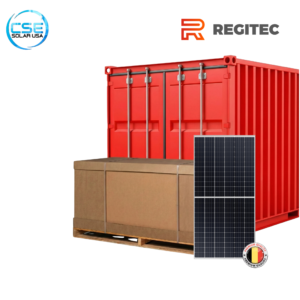
A solar panel is a device that converts sunlight into usable electricity. It is made up of many smaller units called photovoltaic (PV) cells, which are typically manufactured from silicon the same element found in beach sand, but processed to extraordinary purity. These cells are layered together to form a solar module, and multiple modules are wired together to create a full solar panel array. The word “photovoltaic” comes from the Greek word phos (light) and Alessandro Volta, the physicist behind the volt. Put simply, photovoltaic means converting light into voltage.
Solar panels come in several varieties: monocrystalline, polycrystalline, and thin-film each with different efficiency levels, appearances, and price points. Monocrystalline panels are the most efficient and widely used in residential installations today.
How Does a Solar Panel Generate Electricity?
Here is where it gets fascinating. Inside every solar cell, there are two layers of silicon, one with a slight positive charge and one with a slight negative charge. This creates an electric field at the boundary between the two layers, much like the poles of a battery.
When sunlight hits the solar cell, it carries packets of energy called photons. These photons knock electrons loose from the silicon atoms. Because of the built-in electric field, these free electrons are pushed in a single direction, creating a flow of electrons, which is exactly what electricity is.
This process is called the photovoltaic effect, and it was first observed by French physicist Edmond Becquerel back in 1839. Over a century and a half of scientific refinement later, it now powers millions of homes around the world.
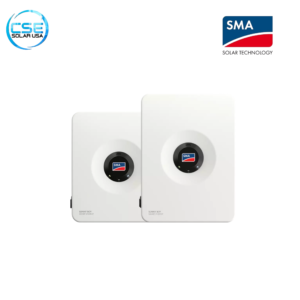
The electricity produced by solar cells is direct current (DC), meaning the electrons flow in one consistent direction. However, your home runs on alternating current (AC). This is where the inverter comes in: it converts DC electricity into AC electricity that your appliances can actually use.
The Full Journey: Sunlight to Outlet
Understanding what a solar panel is is easier when you trace the entire path of energy:
- Sunlight hits the solar panels mounted on your roof or ground-mounted in your yard.
- Photons excite electrons inside the photovoltaic cells, generating DC electricity.
- The inverter converts DC to AC electricity compatible with your home’s wiring.
- Your home uses electricity for lights, appliances, heating, cooling, and more.
- Excess electricity feeds into the grid (or into a battery storage system), and you may receive credits through net metering.
It’s a seamless, silent process no moving parts, no combustion, no fuel costs.
Key Components of a Solar Energy System
A complete residential solar setup includes more than just the panels themselves. Here are the essential components:
- Solar Panels — Capture sunlight and convert it to DC electricity.
- Inverter — Transforms DC into AC electricity for home use.
- Mounting System — Secures panels to your roof or ground.
- Monitoring System — Tracks energy production in real time.
- Battery Storage (Optional) — Stores surplus energy for use at night or during outages.
- Utility Meter — Measures energy flow to and from the grid.
Each component plays a critical role, and choosing high-quality equipment makes a significant difference in long-term performance.
Why Solar Panels Make Sense for Homeowners
Beyond the science, the practical benefits of solar are compelling. Solar panels dramatically reduce and, in many cases, eliminate monthly electricity bills. They also protect homeowners from the unpredictability of utility rate hikes, which have consistently risen over the past two decades.
Solar installations also increase property value. Studies have shown that homes with solar systems sell faster and at higher prices than comparable non-solar homes. Add in federal tax credits (currently up to 30% through the Investment Tax Credit) and many state-level incentives, and the return on investment becomes very attractive.
From an environmental standpoint, a typical residential solar system offsets several tons of carbon dioxide emissions every year, the equivalent of planting hundreds of trees annually.
At CSE Solar USA, helping homeowners navigate the transition to clean, cost-efficient solar energy is more than a business it’s a commitment to a smarter, more sustainable future.
How Long Do Solar Panels Last?
Most modern solar panels come with performance warranties of 25 to 30 years, guaranteeing that the panels will still operate at 80–90% of their original efficiency after that period. In reality, panels often continue producing electricity well beyond the warranty period. The technology is built to withstand rain, hail, snow, and extreme temperature swings.
Maintenance is minimal; occasional cleaning and routine inspections are typically all that is required.
Conclusion
Understanding what a solar panel is is the first step toward making one of the most empowering decisions a homeowner can make. These remarkable devices, built from sand, science, and decades of engineering, silently convert sunlight into the electricity that runs your home, day after day, with zero emissions and minimal maintenance.
Solar energy is no longer a niche technology for the environmentally minded few. It is a proven, financially sound choice for millions of households, and the window to take full advantage of current incentives is wide open.
Frequently Asked Questions (FAQs)
- What is a solar panel made of?
Solar panels are primarily made of silicon-based photovoltaic cells sandwiched between protective glass and a back sheet, held together by an aluminum frame. The silicon is processed into wafers that form the active layer responsible for converting sunlight into electricity.
- Do solar panels work on cloudy days?
Yes, solar panels still generate electricity on cloudy or overcast days, though at reduced efficiency, typically 10–25% of their peak output. They do not require direct sunlight, only daylight, to function. This makes them effective in most climates, including regions with frequent cloud cover.
- How many solar panels do I need to power my home?
The number of panels depends on your household’s energy consumption, your roof’s available space and orientation, and the panel’s wattage. The average American home requires between 15 and 25 panels to fully offset its electricity usage. A professional solar assessment will give you a precise recommendation.
- Can solar panels power my home at night?
Solar panels do not generate electricity at night since there is no sunlight. However, with a battery storage system, you can store excess energy produced during the day and use it after dark. Alternatively, grid-tied systems allow you to draw power from the utility grid at night while receiving net metering credits for your daytime surplus.
- Are solar panels worth the investment?
For most homeowners, solar panels offer an excellent return on investment. With federal tax incentives, reduced electricity bills, and rising utility rates, many homeowners see payback periods of 5 to 9 years with 20+ years of essentially free electricity to follow. Solar also adds measurable resale value to your home.
- What happens to solar panels at the end of their life?
End-of-life solar panels can be recycled. The glass, aluminum, and silicon materials are recoverable, and the solar industry is actively developing improved recycling infrastructure. Some manufacturers also offer take-back programs. Responsible disposal and recycling are increasingly part of the industry’s sustainability commitment.