As solar power continues to grow in popularity, homeowners and businesses are exploring different ways to install solar panels efficiently. While rooftop solar systems are common, many people are now choosing a solar ground mount system for greater flexibility, better performance, and long-term durability. If you have open land or want a customized solar setup, a ground-mounted solution might be the perfect fit.
In this blog, we’ll explain what a solar ground mount system is, how it works, the benefits it offers, and why it may be the right choice for your solar project.
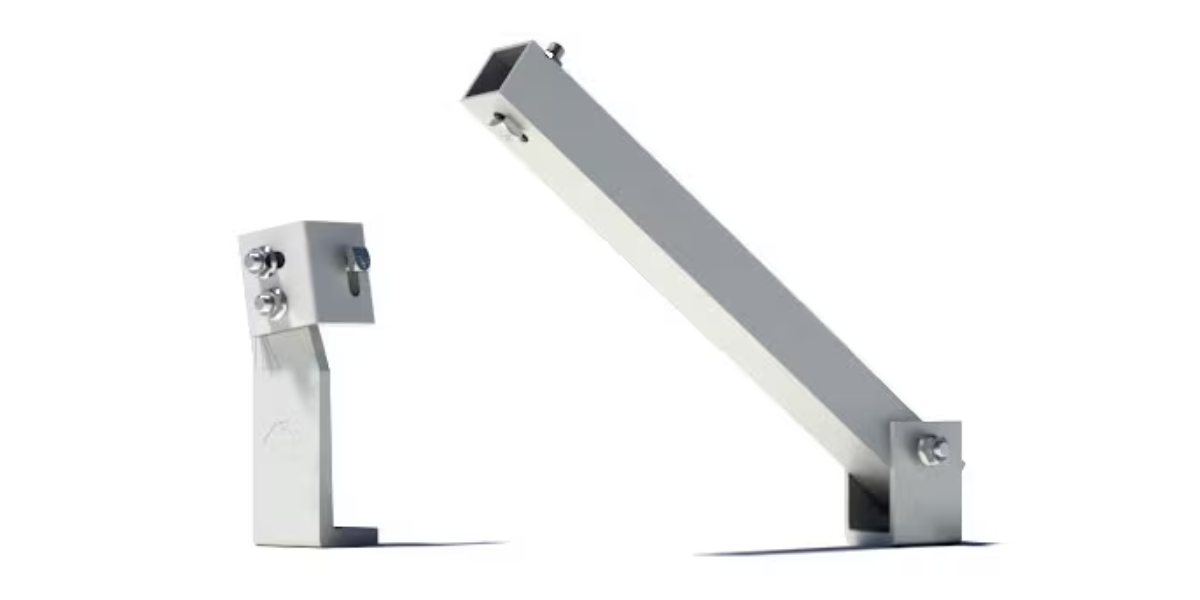
What Is a Solar Ground Mount System?
A solar ground mount system is a structure used to install solar panels directly on the ground instead of on a roof or building. These systems use strong metal frames, mounting rails, and foundation anchors to keep solar panels securely in place.
Ground mounts are designed to hold panels at the best angle and direction for maximum sunlight exposure. This helps improve energy production and keeps the system stable in different weather conditions.
At CSE Solar USA, you can find a wide range of ground-mount solutions, including:
- Standard ground mounts
- Pole mounts
- Rail-free mounting options
- Heavy-duty racking systems
- High-quality components and hardware
These systems are made from durable materials and are compatible with different solar panel models and installation requirements.
How Does a Solar Ground Mount System Work?
A solar ground mount system works by securely supporting solar panels at a fixed or adjustable angle while connecting them to your solar inverter and electrical system. Here’s a simple breakdown of how it works:
1. Preparing the Installation Site
The first step is choosing a suitable area with plenty of sunlight. The land is usually cleared, leveled, and evaluated to determine the type of foundation needed. Proper site planning ensures the panels get the maximum amount of sunlight throughout the day.
2. Installing the Foundation
Ground mount foundations can be installed in different ways depending on soil type and project requirements. Common methods include:
- Concrete footings – strong and long-lasting.
- Ground screws – ideal for fast, no-concrete installations.
- Driven piles – durable and suitable for larger commercial systems.
The foundation is crucial because it supports the entire solar structure and ensures stability during high winds, rain, or snow.
3. Mounting the Racking System
Once the foundation is ready, metal racks or supporting structures are attached. These racks hold the solar panels at the correct tilt angle. This angle is usually chosen based on your location to get the best performance throughout the year.
CSE Solar USA offers easy-to-install racking systems that are both strong and customizable, making sure they fit your specific solar setup.
4. Installing Solar Panels
After the racking system is in place, the solar panels are mounted and securely attached. Panels are aligned to maximize energy production and avoid shading from trees, buildings, or other objects.
5. Wiring and Electrical Connections
The panels are then wired together and connected to an inverter, which converts the solar energy into usable electricity for your home or business. After the wiring is complete, the system is tested to ensure it’s working efficiently.
Benefits of a Solar Ground Mount System
Choosing a solar ground mount system comes with many advantages, including:
1. Better Energy Production
Ground mount systems can be installed at the perfect tilt and direction, helping you capture more sunlight. Since they aren’t limited by roof shape, angle, or shading, they typically produce more energy than rooftop systems.
2. Greater Flexibility
Ground mounts can be installed almost anywhere on your property where there is enough open space. This makes them a great choice for properties with limited roof space, old roofs, or roofs that can’t support solar panels.
3. Easy Maintenance
Since the panels are installed at ground level, it is much easier to clean, inspect, and maintain the system. There’s no need to climb onto a roof, which improves safety and convenience.
4. Long-Term Durability
With strong construction materials and stable foundations, ground mount systems can withstand harsh weather conditions like wind, snow, and heavy rain. They often have a longer lifespan because they are not affected by roof aging or repairs.
5. Ideal for Large-Scale Projects
If you are planning to install a large number of solar panels, a ground-mounted system is often the best option. It allows for better layout planning and efficient expansion in the future.
Is a Solar Ground Mount System Right for You?
A solar ground mount system is an excellent choice if:
- You have open land or backyard space
- Your roof is too small, shaded, or not solar-friendly
- You want maximum energy production
- You need a system that is easy to maintain
- You want more control over the design and direction of your solar panels
Whether you are a homeowner, business owner, or managing a large solar project, ground mounts offer flexibility and performance that many rooftops cannot match.
Explore high-quality ground mounts, pole mounts, rails, and mounting components at CSE Solar USA to find the perfect setup for your solar installation needs.
Conclusion
A solar ground mount system is a reliable, efficient, and versatile way to install solar panels, especially if you want higher energy output and long-term durability. With the right foundation and sturdy racking system, you can enjoy clean energy for years to come.